
How to Prepare Your Home for a Winter Inspection in Alberta


Understanding the Importance of a Winter Inspection
Preparing your home for a winter inspection in Alberta is crucial to ensure both safety and efficiency during the colder months. Winter can be harsh, with heavy snowfalls and frigid temperatures. A thorough inspection can help prevent costly repairs and keep your home comfortable.
Inspectors will look for vulnerabilities in your home's structure and systems, so taking proactive steps can save you time and money. A well-prepared home is not only safer but can also be more energy-efficient, reducing heating costs.
Inspect Your Heating System
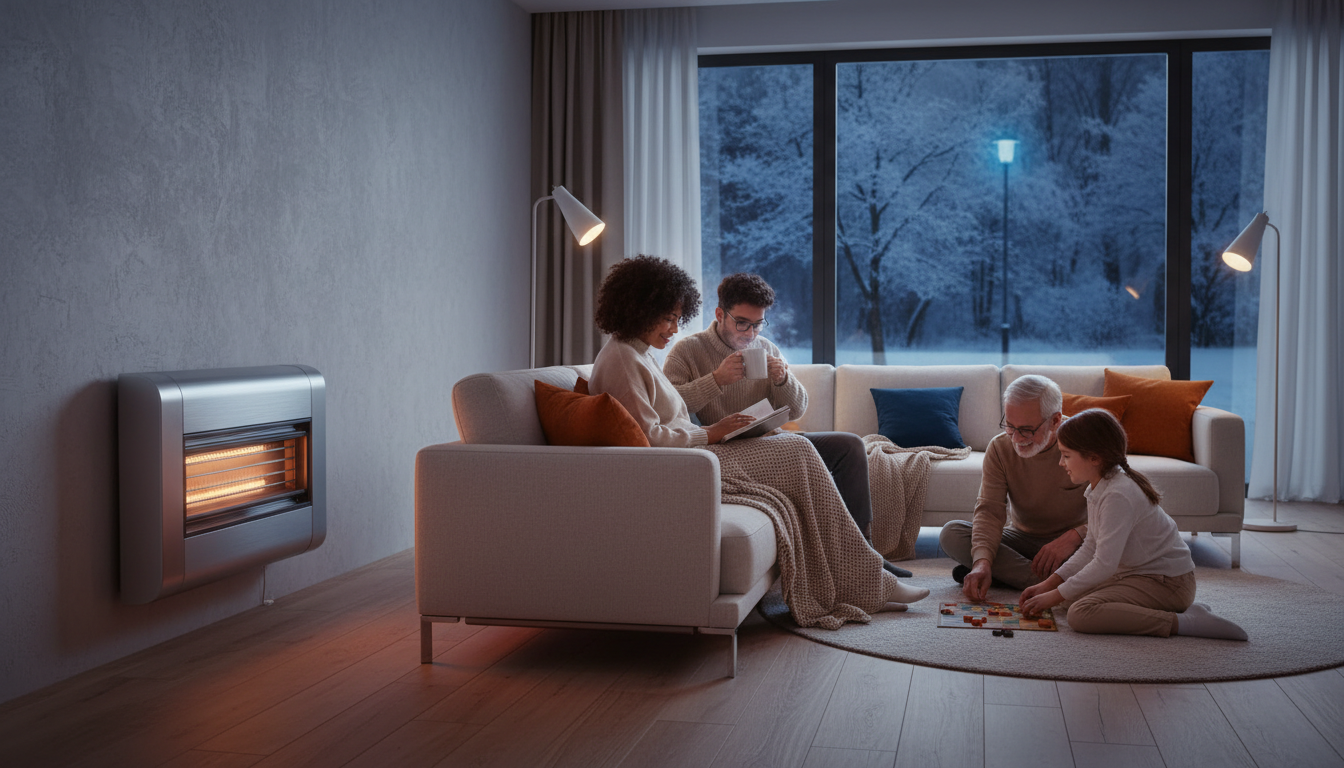
Your heating system is one of the most critical components during winter. Before the inspection, ensure your furnace or boiler is in optimal condition. Change the filters and consider having a professional clean and tune your system. This can help prevent unexpected breakdowns during the coldest days of the year.
Another important aspect is checking your thermostat. Make sure it’s functioning correctly and consider upgrading to a programmable thermostat for more efficient energy use.
Check Insulation and Weather Stripping
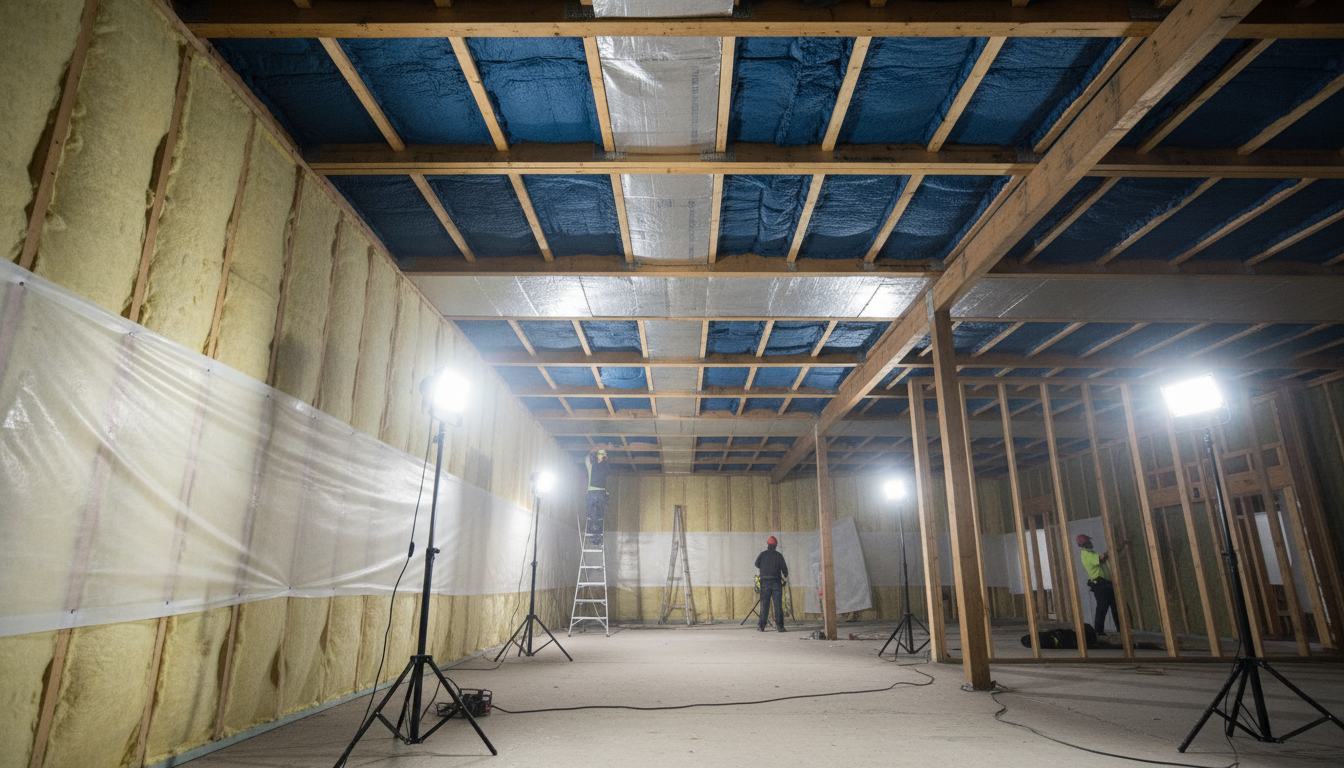
Proper insulation helps maintain warmth and reduces energy consumption. Inspect your attic, walls, and basement to ensure they are well-insulated. If you notice any gaps or areas lacking insulation, consider adding more to improve efficiency.
Check all windows and doors for drafts. Weather stripping can wear out over time, so replacing it is essential to keep cold air out and warm air in. This simple step can significantly enhance your home's energy efficiency.
Examine Your Roof and Gutters
Your roof is your first line of defense against snow and ice. Before the inspection, check for missing or damaged shingles and have them repaired. This can prevent leaks and other damage that might occur from snow accumulation.
Ensure your gutters are clean and free from debris. Clogged gutters can cause water to back up and freeze, leading to ice dams that can damage your roof and walls. Install gutter guards if necessary to prevent future blockages.
Protect Your Pipes
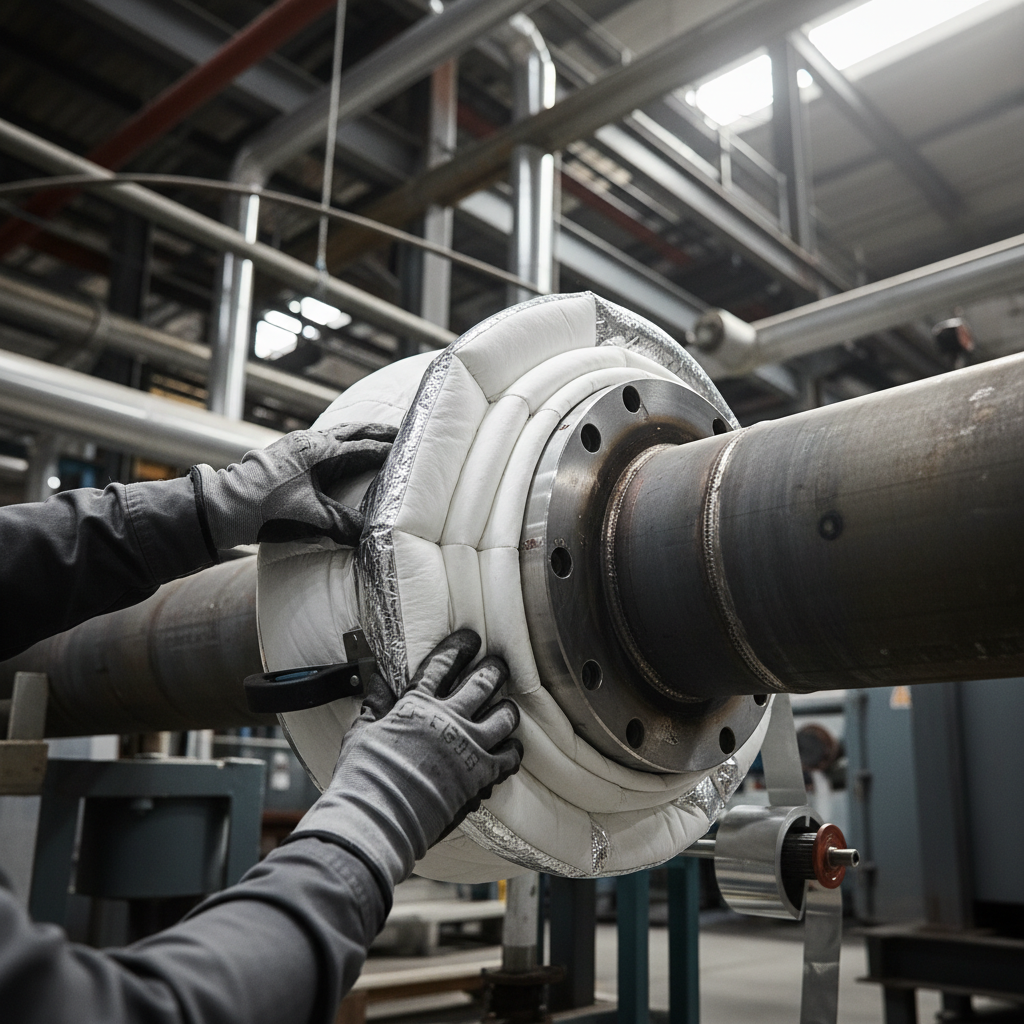
Pipes are vulnerable to freezing in Alberta's winters, which can lead to bursting and significant water damage. Insulate any exposed pipes in unheated areas like basements or garages. You might also consider using heat tape for added protection.
Additionally, disconnect and drain outdoor hoses and shut off the water supply to exterior faucets. This can prevent any residual water from freezing and causing damage.
Prepare Your Outdoor Spaces
Winter can be harsh on your outdoor spaces. Trim any tree branches that hang over your house or power lines to prevent damage from falling limbs. Clear pathways and driveways of any obstacles and ensure they are ready for snow removal.
Store away any outdoor furniture or equipment that could be damaged by snow or ice. Proper preparation of your outdoor areas can prevent accidents and maintain your property's appearance.
Test Safety Devices
Safety devices play a critical role in keeping your home secure during winter. Test and replace batteries in smoke and carbon monoxide detectors. These devices are essential, especially when heating systems are in full use.
Having a fire extinguisher readily available and ensuring it is in working order is another vital step in your winter preparation checklist.