
DIY Tips: What to Check Before Your Professional Home Inspection


When preparing for a professional home inspection, it's wise to conduct a preliminary DIY check. This helps you identify potential issues and ensures you're ready for the inspector's visit. Here's a guide to what you should examine before the professionals step in.
Exterior Inspection
Roof and Gutters
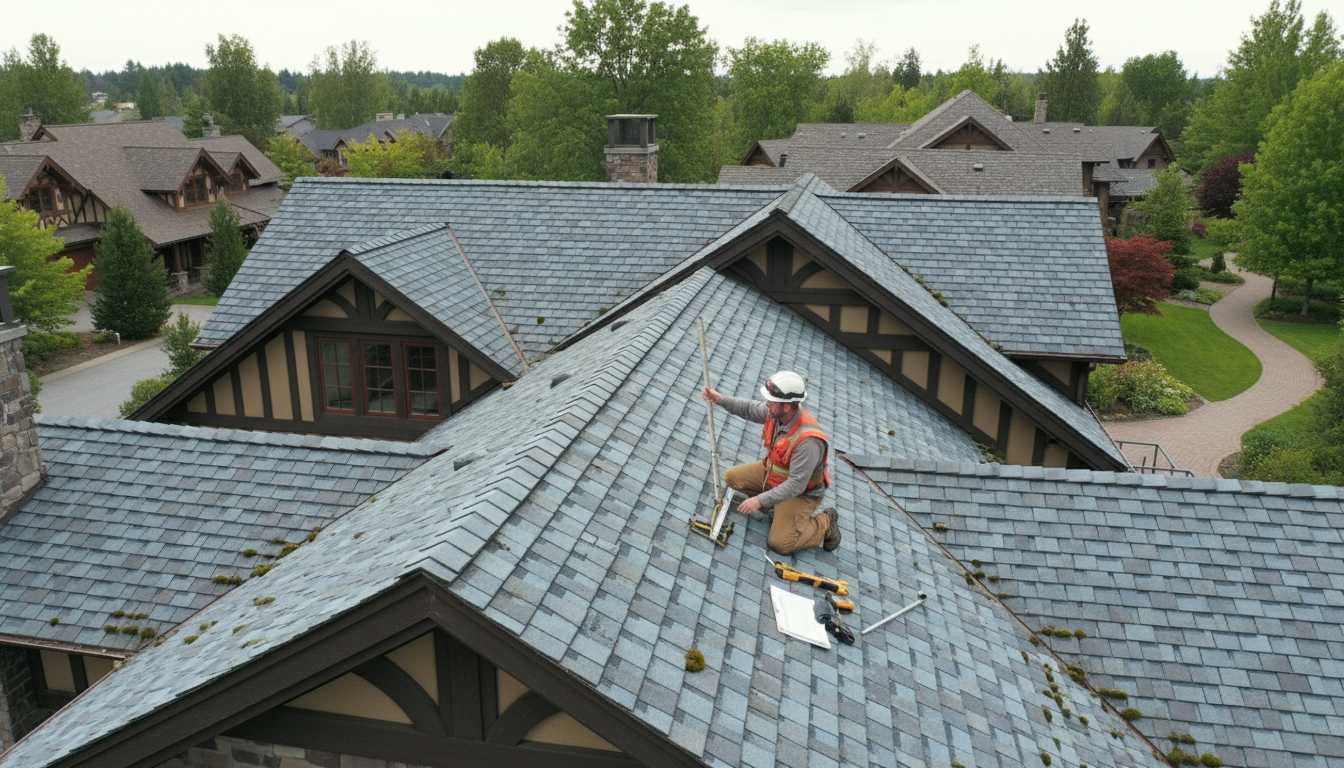
Start with the roof. Look for missing or damaged shingles, and check for signs of wear and tear. If you have gutters, ensure they're clear of debris and properly attached. Water damage can be a major issue if gutters aren't functioning correctly.
Foundation and Walls
Inspect the foundation for cracks or any signs of settling. Check the exterior walls for peeling paint, mildew, or cracks. These could indicate underlying moisture issues that need addressing before the inspection.
Interior Inspection
Plumbing
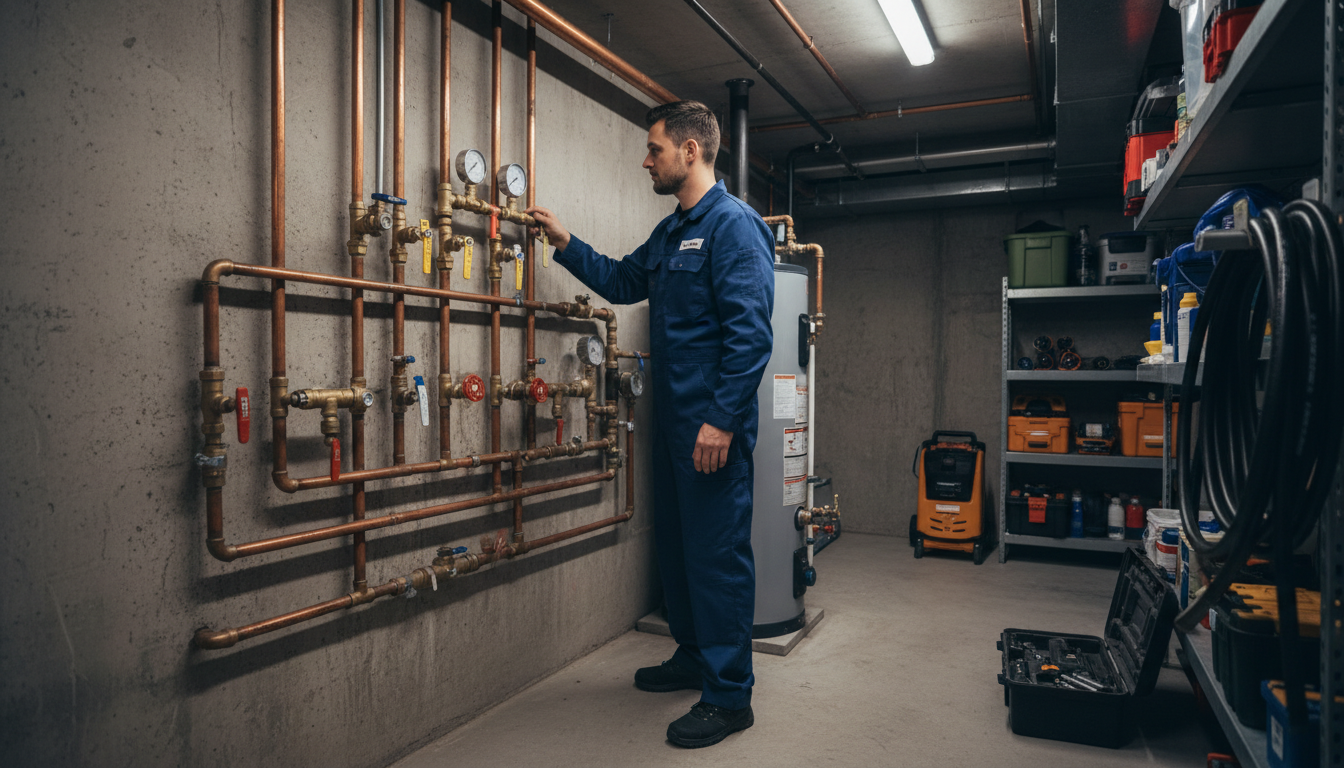
Test all faucets and check under sinks for leaks. Flush toilets to ensure they function properly. Also, inspect the water heater for rust or leakage. Addressing plumbing issues can prevent costly repairs in the future.
Electrical System
Turn on all lights and test the outlets with a multimeter to ensure they're working correctly. Look for any exposed wiring or flickering lights, which could indicate a need for electrical repairs.
Structural Elements
Doors and Windows
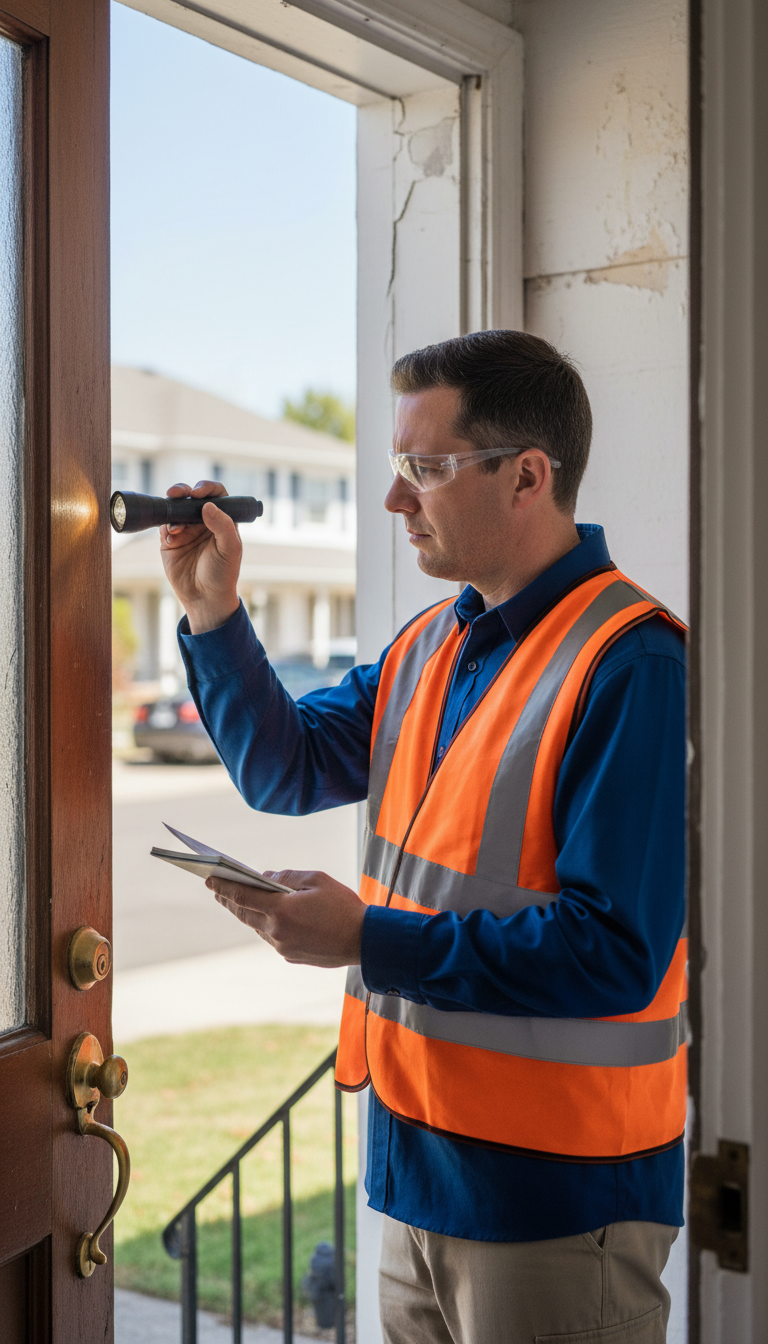
Open and close all doors and windows to ensure they operate smoothly. Check for drafts or gaps, as these might signal issues with insulation or sealing that need to be fixed.
Floors and Ceilings
Look for any signs of sagging or water stains on ceilings and floors. This could indicate a leak from plumbing or the roof that needs immediate attention.
Systems and Appliances
Heating and Cooling
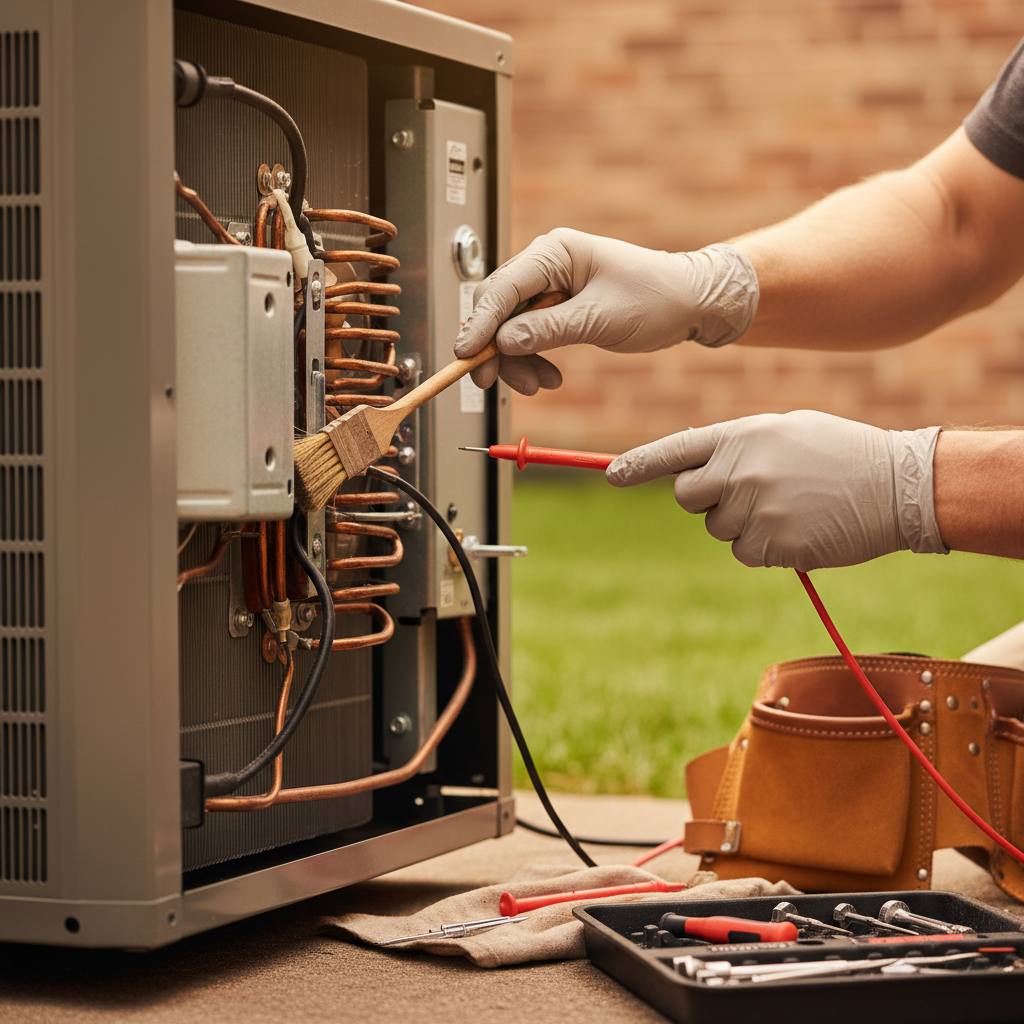
Test the HVAC system to ensure it's working efficiently. Replace filters if necessary and listen for any unusual noises that might require a professional's attention.
Appliances
Run a quick check on major appliances such as the stove, refrigerator, and dishwasher. Ensure they're functioning well and note any issues for the inspector.
By completing these DIY checks, you'll be better prepared for the professional home inspection. Identifying and addressing potential problems in advance can save time and money, ensuring a smoother process overall.