
Comprehensive Guide to Home Inspections in Beaver County


Understanding the Importance of Home Inspections
Home inspections are a crucial step in the home-buying process, offering a detailed assessment of a property's condition. In Beaver County, a comprehensive home inspection can help you make an informed decision, ensuring that your investment is sound. By identifying potential issues early on, you can save on costly repairs and avoid unpleasant surprises.
When you schedule a home inspection, a qualified inspector will evaluate various aspects of the property. This includes structural elements, electrical systems, plumbing, and more. Knowing what to expect can help you better prepare for this essential process.
Key Components of a Home Inspection
Structural Integrity
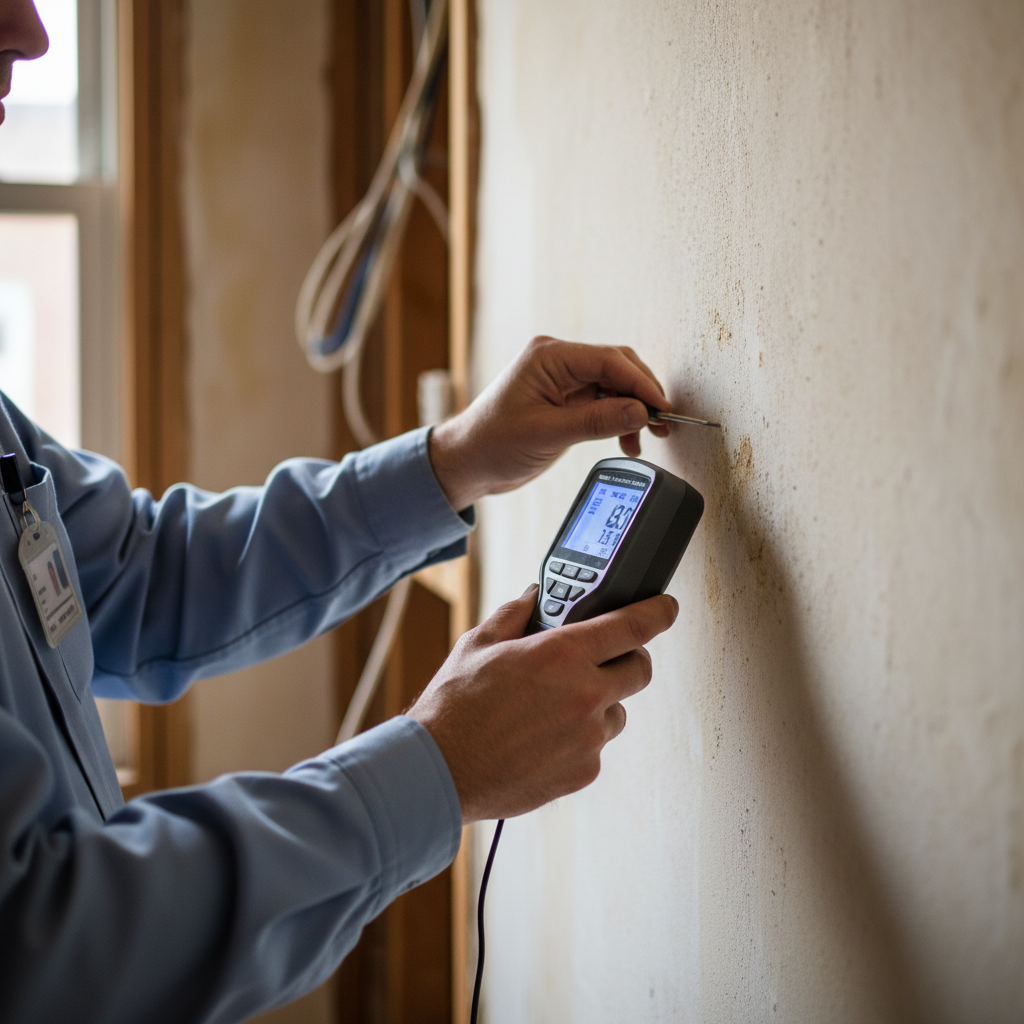
The structural integrity of a home is paramount. Inspectors will examine the foundation, walls, roof, and other structural elements to ensure they are in good condition. Signs of damage, like cracks or leaks, can indicate serious problems that need addressing.
Plumbing and Electrical Systems
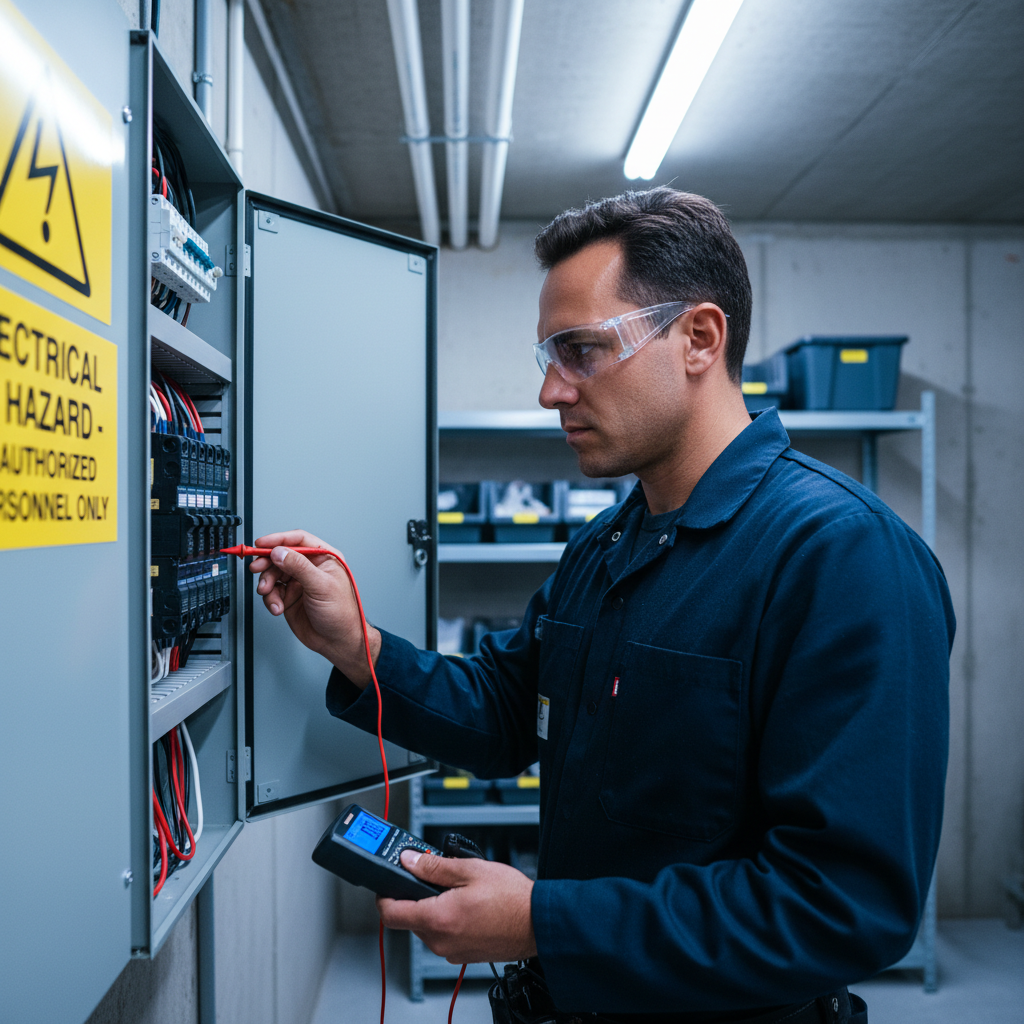
Plumbing and electrical systems are vital for the functionality of a home. Inspectors will check for leaks, water pressure, and the condition of pipes. For electrical systems, they will assess the wiring, outlets, and circuit breakers to ensure safety and compliance with local codes.
Additional Areas of Focus
HVAC Systems
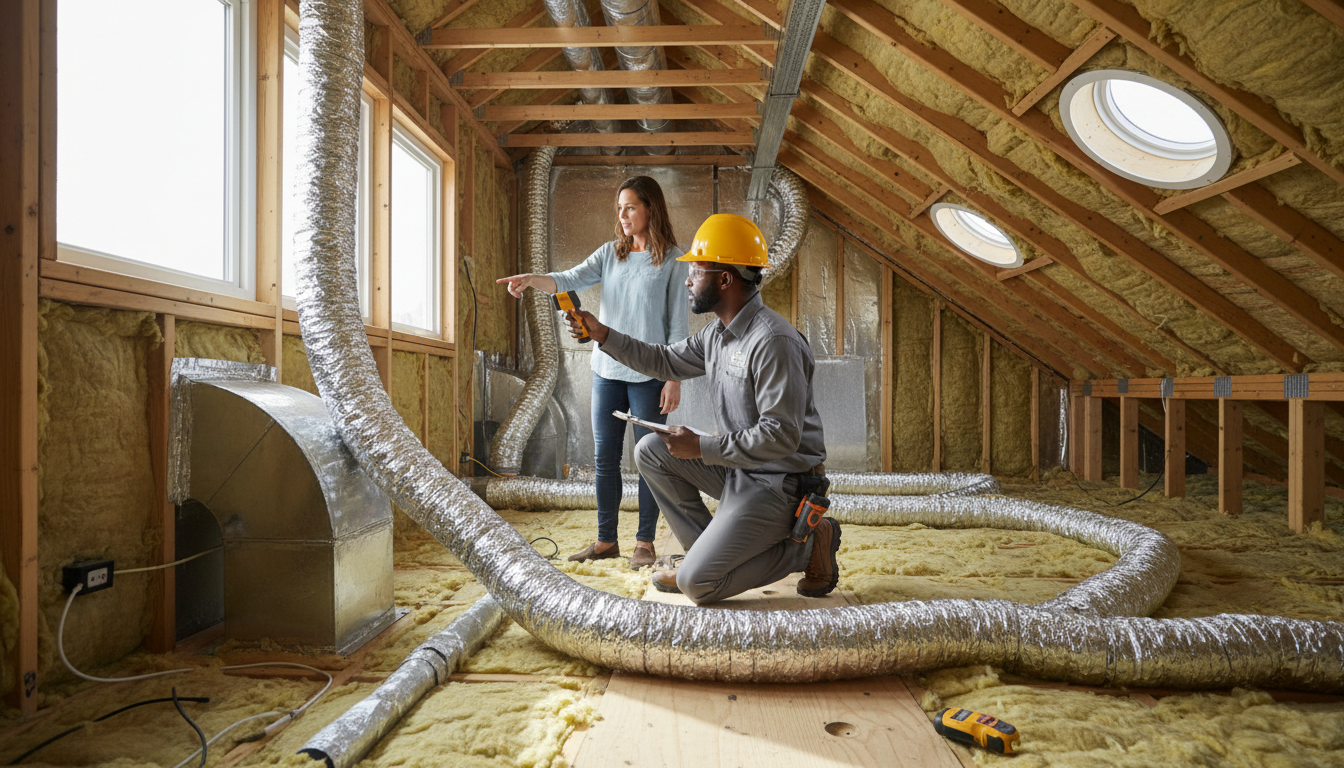
Heating, ventilation, and air conditioning (HVAC) systems are crucial for comfort. Inspectors will evaluate the performance and condition of these systems, checking for proper operation and any signs of wear or inefficiency.
Interior and Exterior Features
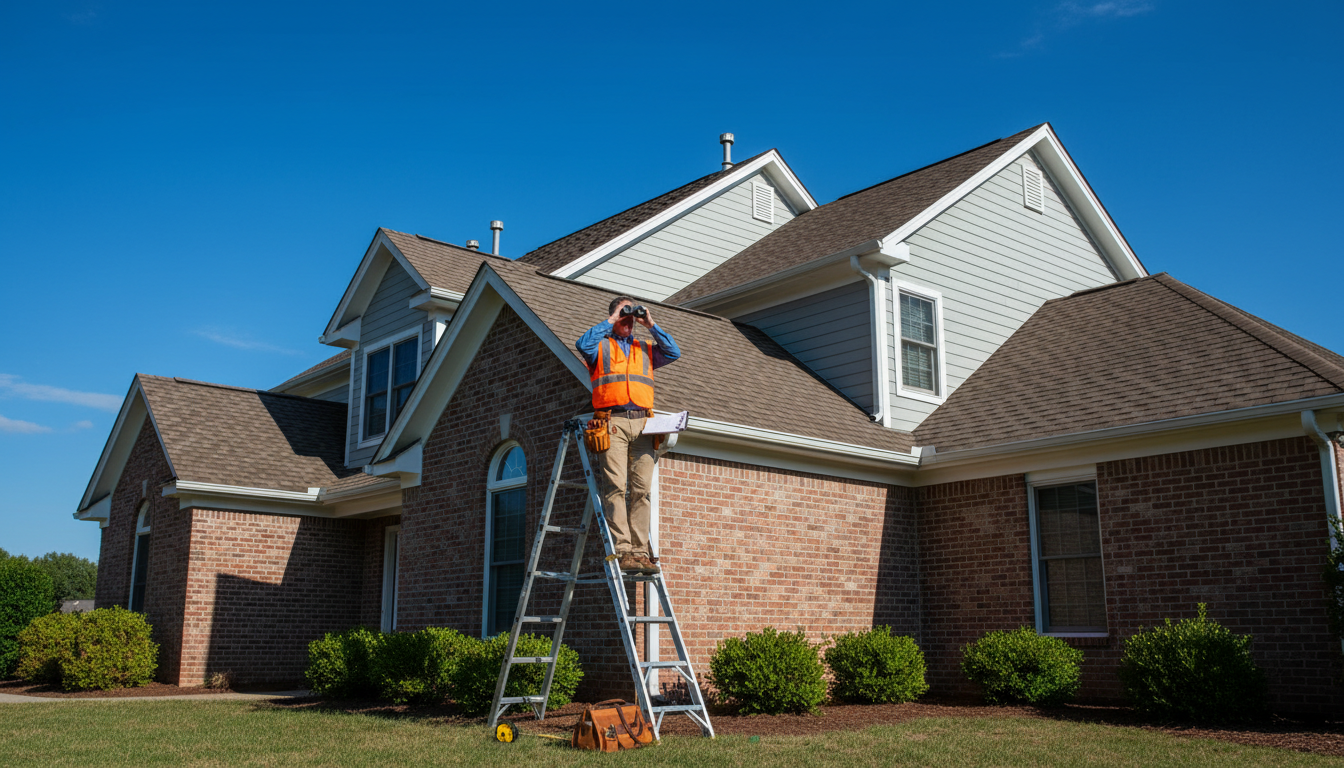
Beyond the major systems, inspectors will also look at interior and exterior features. This includes doors, windows, insulation, and overall building materials. Proper inspection of these areas ensures they are in good condition and energy-efficient.
Preparing for a Home Inspection
To get the most out of a home inspection, there are a few steps you can take to prepare. Make sure that all areas of the home are accessible, including the attic, basement, and garage. Clear away any clutter, and provide necessary documentation, such as past repair records or warranties.
Choosing a Qualified Inspector
Selecting a qualified and experienced inspector is crucial. Look for inspectors with certifications from reputable organizations. Reading reviews and asking for recommendations can also help you find the right professional for the job.
What Happens After the Inspection?
Once the inspection is complete, the inspector will provide a detailed report outlining their findings. This report will highlight any issues and recommend necessary repairs or further evaluations. It's essential to review this report carefully and discuss any concerns with your real estate agent or the seller.
In some cases, you may negotiate repairs or price adjustments based on the inspection findings. Understanding the report will empower you to make informed decisions and proceed confidently with your home purchase.