
Avoiding Home Inspection Pitfalls: Expert Tips from Amisk Property Inspections


Understanding the Importance of Home Inspections
When buying a home, a thorough inspection is a crucial step that can save you from unexpected surprises. Inspections help identify potential issues that could affect the property's value or your safety. At Amisk Property Inspections, we believe that being well-prepared can help you avoid common pitfalls.
By understanding the process and knowing what to expect, you can make informed decisions. This knowledge not only safeguards your investment but also offers peace of mind. Let's explore some expert tips to help you navigate the inspection process effectively.

Choose the Right Inspector
Selecting a qualified home inspector is essential. Look for certified professionals who have a strong reputation. A good inspector will provide a comprehensive report detailing the condition of the property. Always check reviews and ask for references to ensure you're making the right choice.
It's also wise to ask potential inspectors about their experience and areas of expertise. Some inspectors may specialize in older homes, while others might focus on new constructions. Finding the right match for your specific needs can make a significant difference.
Attend the Inspection
Being present during the inspection allows you to ask questions and gain a clear understanding of any issues. Inspectors can explain problems in real-time and provide insights on their severity. This firsthand knowledge is invaluable when negotiating repairs or price adjustments with the seller.

Additionally, attending the inspection helps you become more familiar with the property. You'll learn about maintenance needs and potential future repairs, equipping you with the knowledge to better care for your new home.
Focus on Major Issues
Not all findings in an inspection report are deal-breakers. Focus on major issues that could affect the safety or structural integrity of the home, such as roofing problems, electrical faults, or plumbing leaks. Understanding the difference between minor and major issues allows for better prioritization.
- Structural Damage
- Water Intrusion
- HVAC System Issues
Negotiate Repairs and Adjustments
Once the inspection is complete, use the report to negotiate necessary repairs or price adjustments. Sellers may agree to fix certain issues before the sale or reduce the price, enabling you to handle repairs yourself. Be clear and reasonable in your requests to ensure successful negotiations.
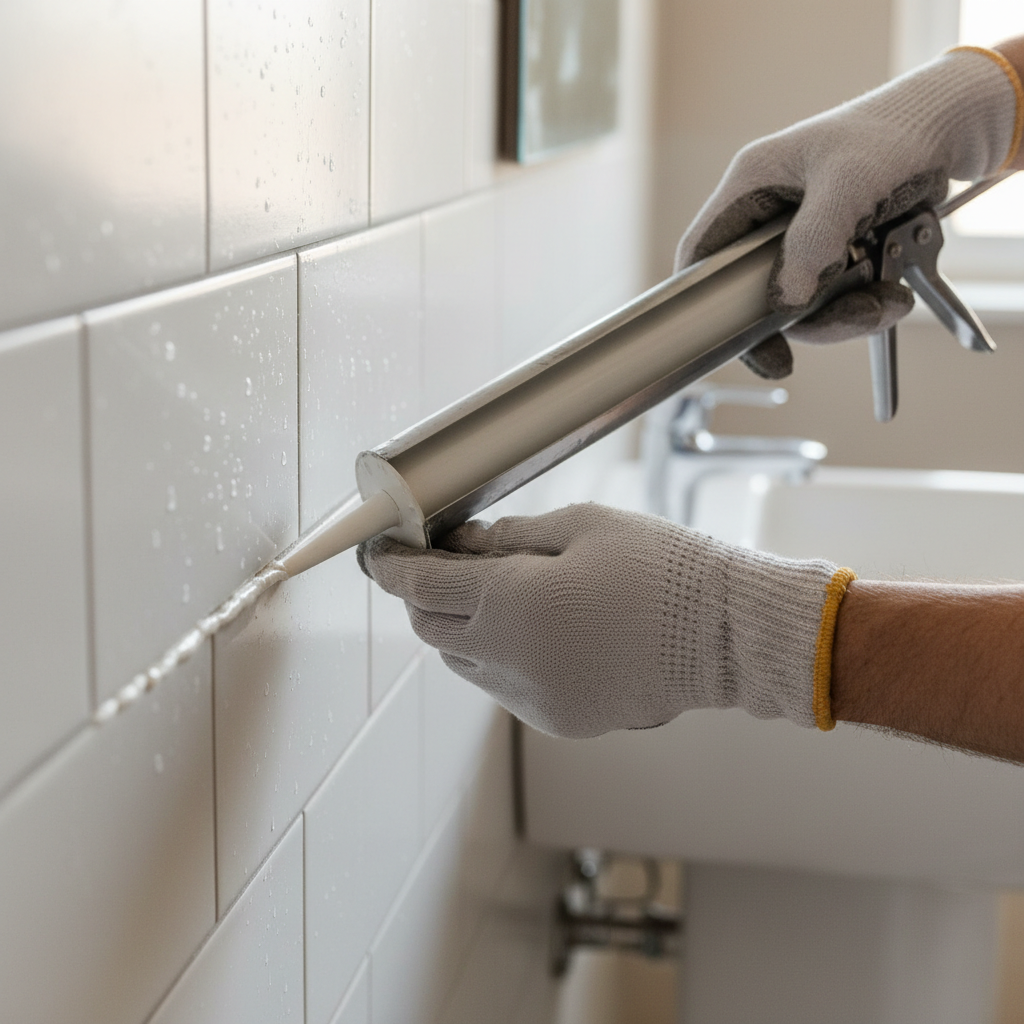
Having a clear understanding of repair costs can also strengthen your negotiation position. Getting estimates from contractors on potential repairs can provide a realistic picture of what needs to be done.
Plan for Future Maintenance
A home inspection can also serve as a guide for future maintenance. Understanding the current condition of major systems in the home allows you to anticipate when replacements or repairs might be needed. This proactive approach can save you time and money in the long run.
Regular maintenance not only preserves the value of your home but also ensures a safe and comfortable living environment. Remember, a well-maintained home is a happy home!